Latauli WaSH Project
|

|
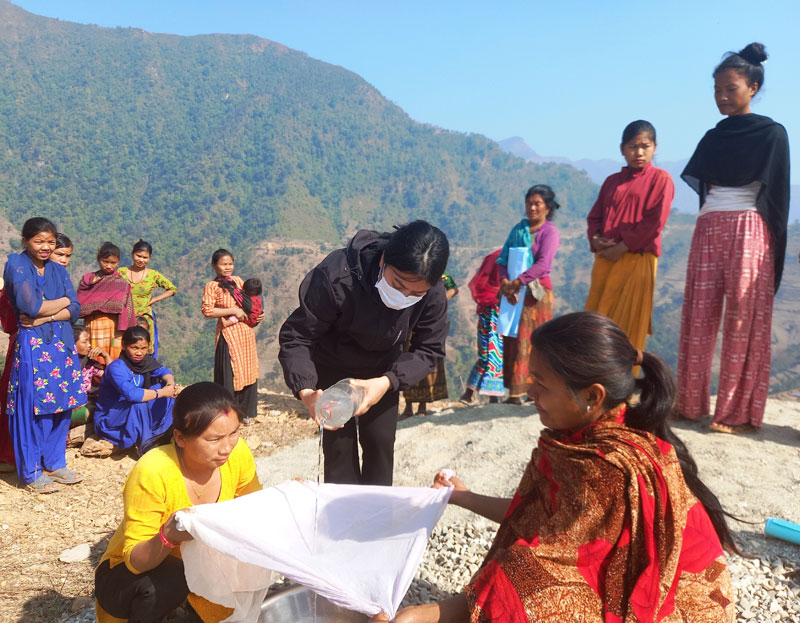
Latauli village located in Kalika Municipality-9 of Chitwan district remains far from meeting basic living requirements. One of the major problems in the village was the access to drinking water. Despite having a stream water source, the villagers struggle to collect water due to the absence of a proper distribution system. Villagers used to spend over an hour to gather water for household purposes, and the water is often polluted and contaminated, especially during the rainy season, leading to water-borne diseases. The lack of access to clean drinking water has severely hindered personal hygiene, health, and sanitation in the community.
For health-related issues, villagers must walk 2.5 hours to receive general treatments, and for major treatments, they spend even more time reaching clinics or hospitals. The educational environment in the local school needs significant improvement, lacking child-friendly infrastructure, educational materials, and appropriate teaching-learning methods. Furthermore, the entire community lives without access to electricity.
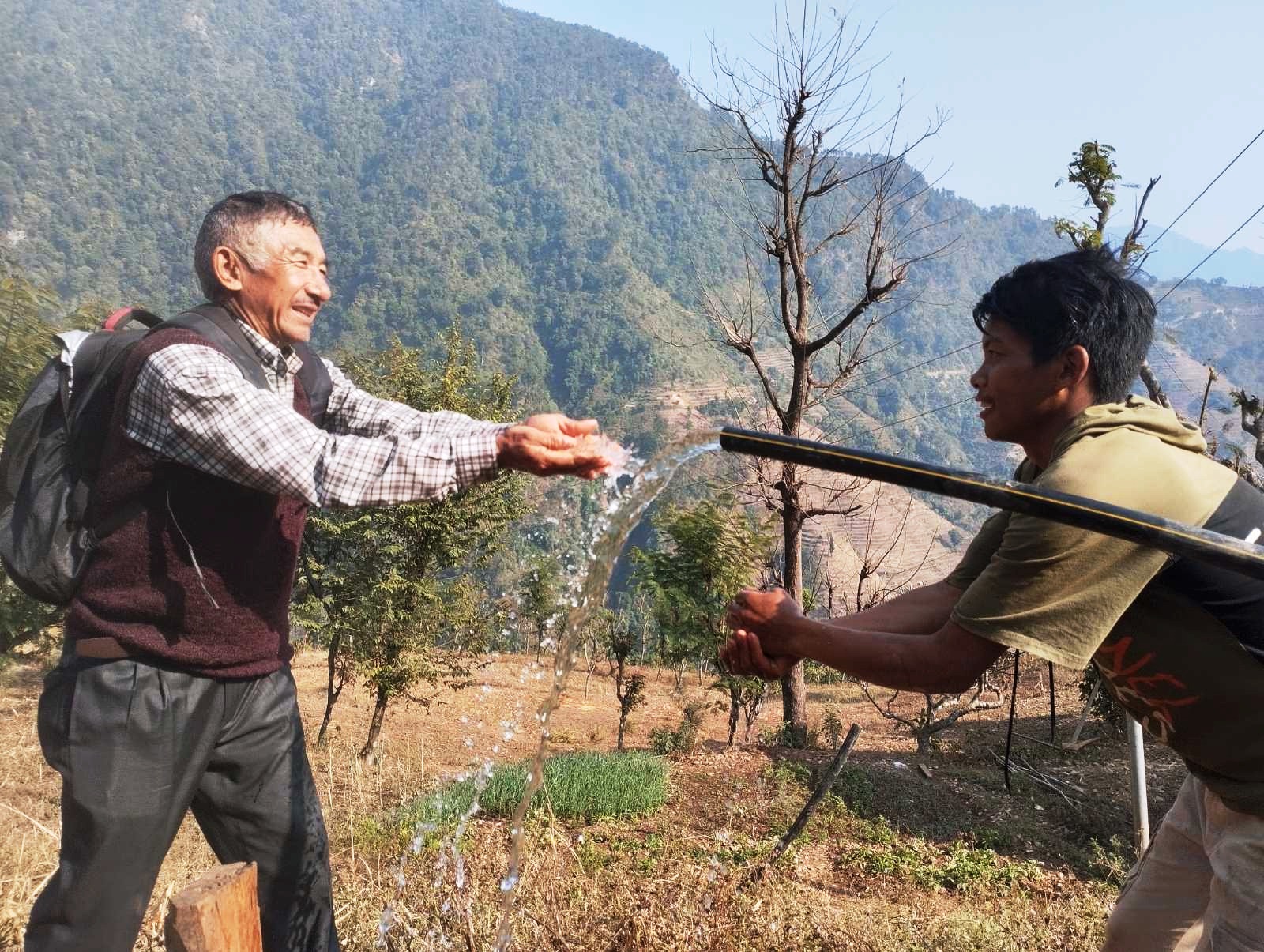
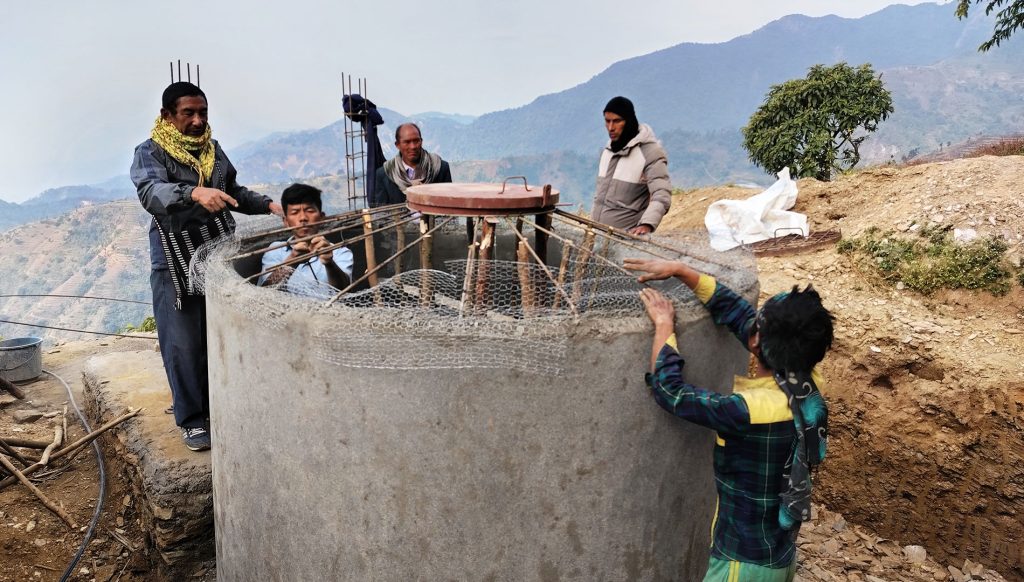
The project ‘Improving the Well-Being of the Marginalized Communities of Latauli’ significantly improved the community of Latauli by facilitating access to clean drinking water. It implemented a gravity flow water system that included constructing intake and collection chambers, reservoir tanks, and water taps, along with necessary infrastructure such as fencing and crossings. This initiative ensured that the community now has reliable access to clean water, addressing previous challenges of polluted and contaminated water sources.
The project directly benefited the community of Latauli, which is predominantly from the marginalized Chepang ethnic group, with a population of 398 people from 63 household families. The improved access to clean drinking water has had a substantial positive impact on their daily lives and overall well-being.
Project Activity
Infrastructure Development
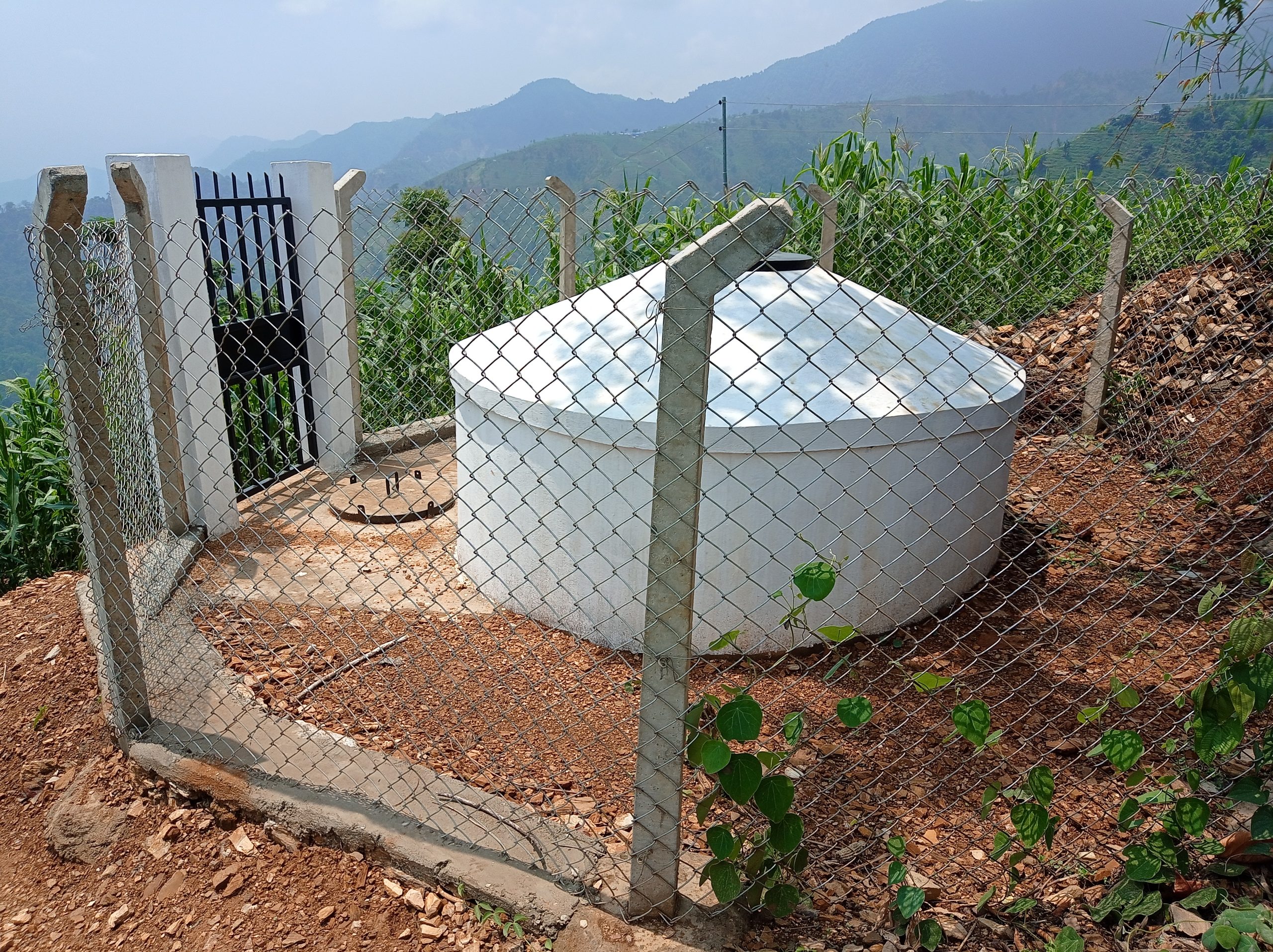
To address the insufficiency of drinking water, the project adopted a gravity flow water system designed to supply clean drinking water efficiently. Key components of the system include an intake and collection chamber built at the Syangsigring water source, as well as a ferrocement reservoir tank and stone masonry water tap installations. HDPE and GI pipes are used to distribute the water.
A total of eight reservoirs were constructed, with four DTRVT (Deep Tube Well Reservoir Tanks) built in Latauli, Thandanda, Deurali, and Jorsal, and four RVT (Reservoirs) in Ritharang, Omang, Usipung, and Jamuna Bhanjyang villages. These reservoirs are protected by heavy galvanized gabion nets and metal gates at the entrances. Additionally, two crossings were built over the watercourse to facilitate access.
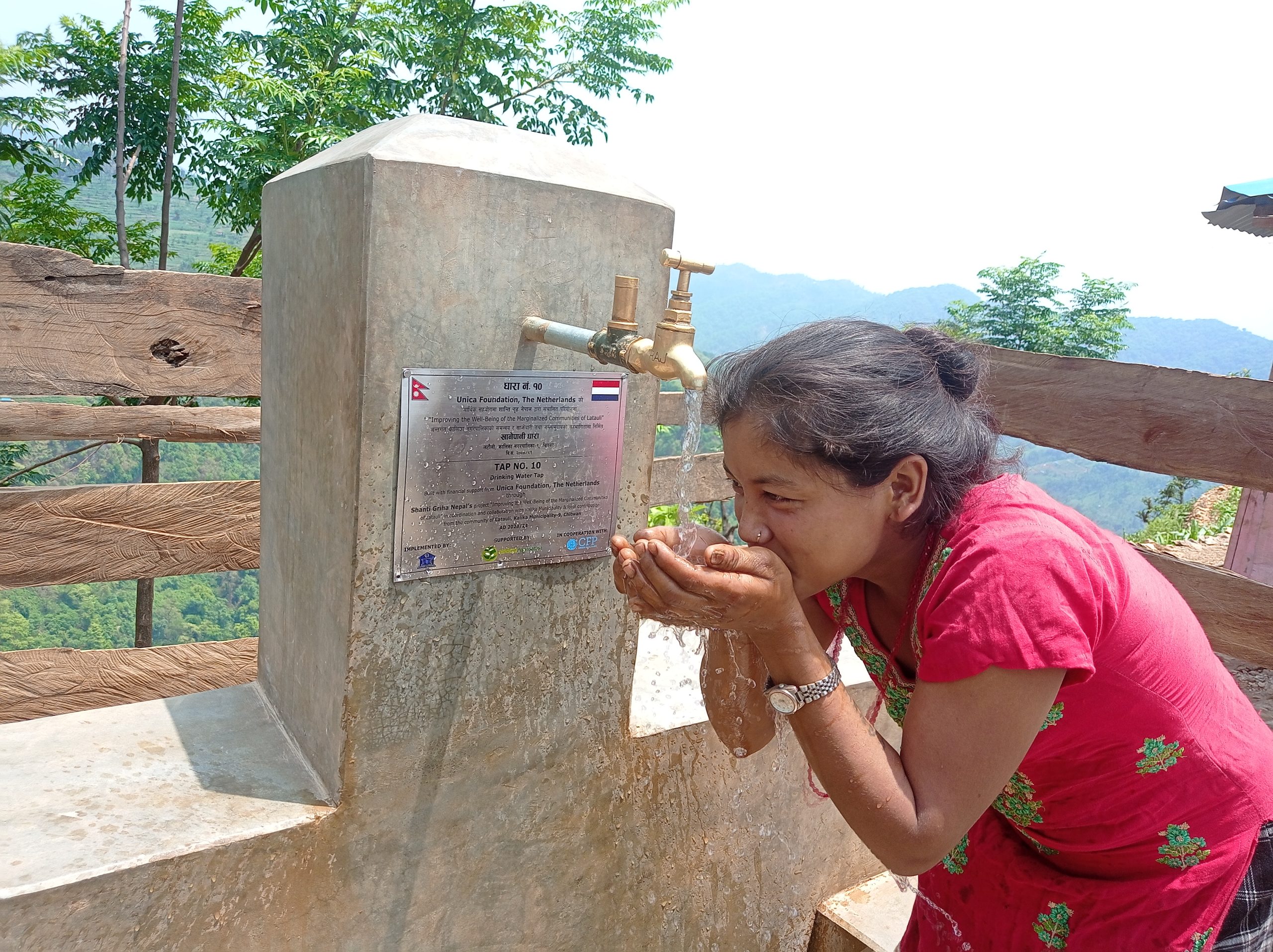
To ensure widespread access, 60 taps were installed, each fenced with local wood and bamboo for protection. A one-day workshop was also conducted on repair and maintenance to equip the community with the skills needed to maintain the water system effectively.
Health and Sanitation
The Community Awareness Program significantly contributed to enhancing sustainable community capacity. By focusing on health and sanitation, promoting kitchen gardens, and supporting safe motherhood, the program empowered the community with essential knowledge and practices. These initiatives not only improved individual well-being but also fostered a more resilient and self-reliant community overall.
The project has led to significant improvements in the community’s access to drinking water and overall well-being. Adequate access to drinking water has increased to 97 liters per person, addressing the acute shortages previously faced due to the lack of nearby water systems or the dysfunction of existing ones. The time spent fetching water has decreased from an average of 39.70 minutes, reducing the daily burden on community members. Increased knowledge in kitchen gardening has fostered hopes for regular access to nutritious vegetables and enhanced food security. The improved access to safe drinking water has contributed to better personal hygiene, health, and sanitation, while also saving time. Overall, the project has secured improved access to clean drinking water for the Latauli community.