School Hygiene and Sanitation
The Enhanced School Hygiene and Sanitation Program is a comprehensive initiative dedicated to elevating the health and well-being of students by ensuring a clean and sanitary school environment.
Our program focuses on installing and maintaining reliable sources of clean water, ensuring that students have access to safe drinking and handwashing facilities. We construct modern, well-maintained toilet facilities that are gender-sensitive and accessible to all students. Additionally, we establish convenient handwashing stations equipped with soap and clean water to promote regular hand hygiene practices.
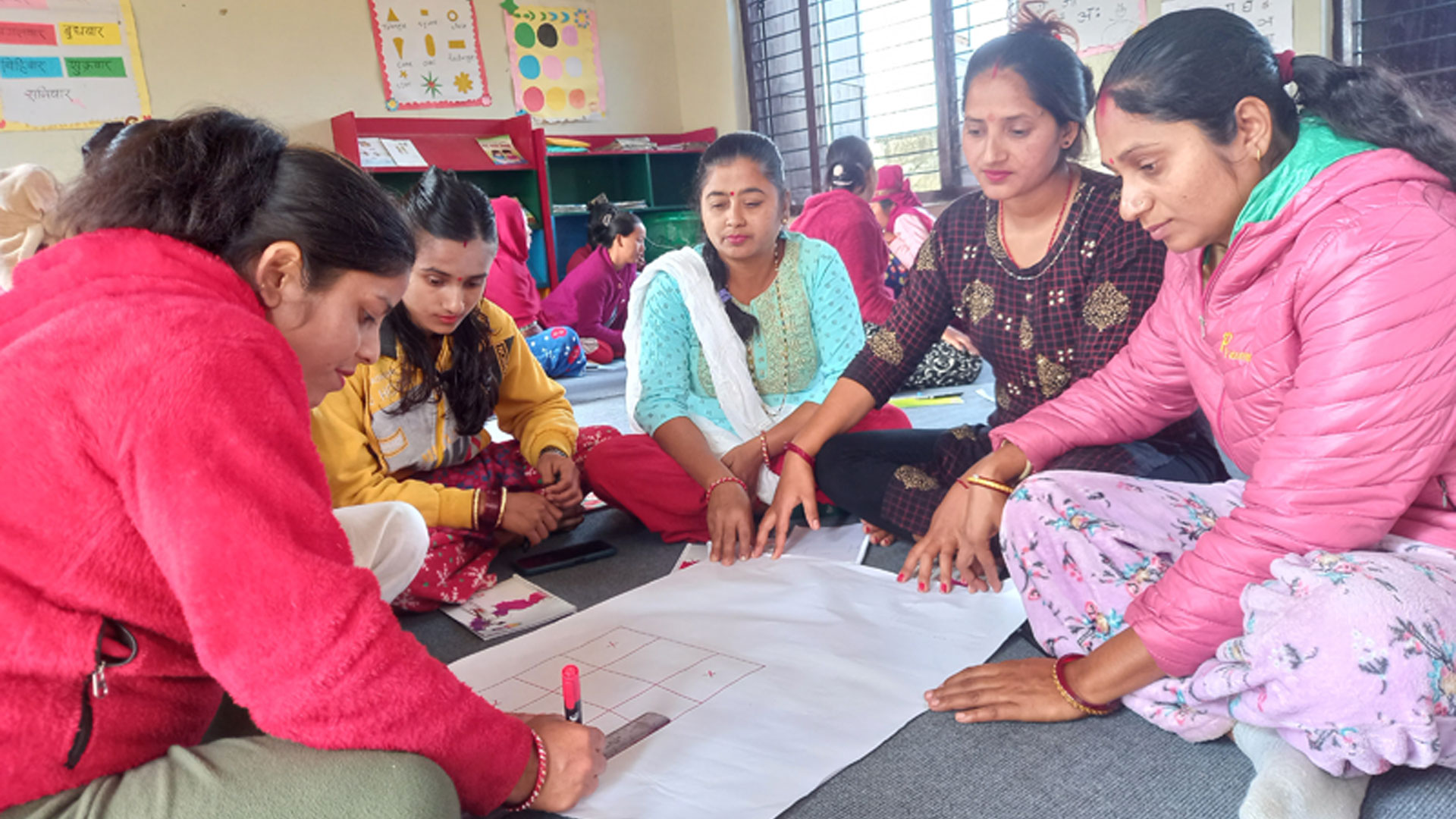
Incorporating hygiene and sanitation education into the school curriculum ensures that students learn about good hygiene practices across various subjects. This is complemented by organizing informative sessions on personal hygiene, disease prevention, and menstrual hygiene management, which frequently utilize engaging visual aids like posters and charts. To reinforce these lessons and encourage active participation, the program employs role-playing, demonstrations, and interactive activities, making the learning experience both informative and engaging.
To promote regular handwashing among students, especially before meals and after using the restroom, we implement engaging campaigns and frequent reminders. We also organize contests that incentivize high hygiene standards, fostering a culture of cleanliness through recognition and rewards. Additionally, teachers and older students serve as mentors, inspiring younger peers to adopt and maintain positive hygiene behaviors.
Routine evaluations of sanitation facilities are conducted to ensure they meet cleanliness and functionality standards. To address maintenance issues promptly, systems are implemented for students and staff to report problems quickly and effectively. Additionally, dedicated teams are established to oversee the upkeep and regular servicing of sanitation infrastructure, ensuring its long-term sustainability and optimal performance.
Discussing the significance of hygiene and sanitation during parent-teacher meetings helps foster a supportive community environment centered on health by raising awareness and encouraging collective responsibility. Organizing initiatives that involve students, parents, and community members in maintaining a clean environment further strengthens this commitment, creating a shared sense of ownership. Additionally, collaborating with local health agencies provides essential resources and expertise, enhancing the promotion of effective hygiene and sanitation practices and ensuring a comprehensive approach to community health.
The primary objectives of the Enhanced School Hygiene and Sanitation Program are to improve student health by significantly reducing hygiene-related illnesses and school absenteeism, facilitate positive behavioral changes, raise community awareness about hygiene, and ensure the long-term sustainability of hygiene and sanitation standards within both the school and the broader community.
By addressing both the physical infrastructure and educational needs, this program aims to create a healthier, more conducive learning environment for students, ultimately benefiting the entire community. Through collective effort and commitment, we can foster a culture of health and hygiene, supporting brighter futures for our students.