Improving the Well-Being of the Marginalized Communities
Access to clean water and proper sanitation is a fundamental human right, yet millions, especially in marginalized communities, still lack these basic necessities. Ensuring equitable access to Water, Sanitation, and Hygiene (WASH) services is essential for enhancing the well-being of these populations.
Many marginalized communities are hindered by inadequate infrastructure, such as insufficient water distribution networks and sewage systems, which limits their access to clean water and proper sanitation. The high cost of WASH services often makes them unaffordable for low-income households, further exacerbating the disparities. Remote and hard-to-reach areas face additional challenges in providing WASH services, intensifying these inequities.
Waterborne diseases, including cholera, dysentery, and typhoid, pose severe health risks, leading to high rates of illness and mortality, particularly among children and the elderly. Contaminated water can impair nutrient absorption, leading to malnutrition and stunted growth in children. The costs of treating waterborne diseases—medical expenses and lost productivity—further strain the limited resources of marginalized households.
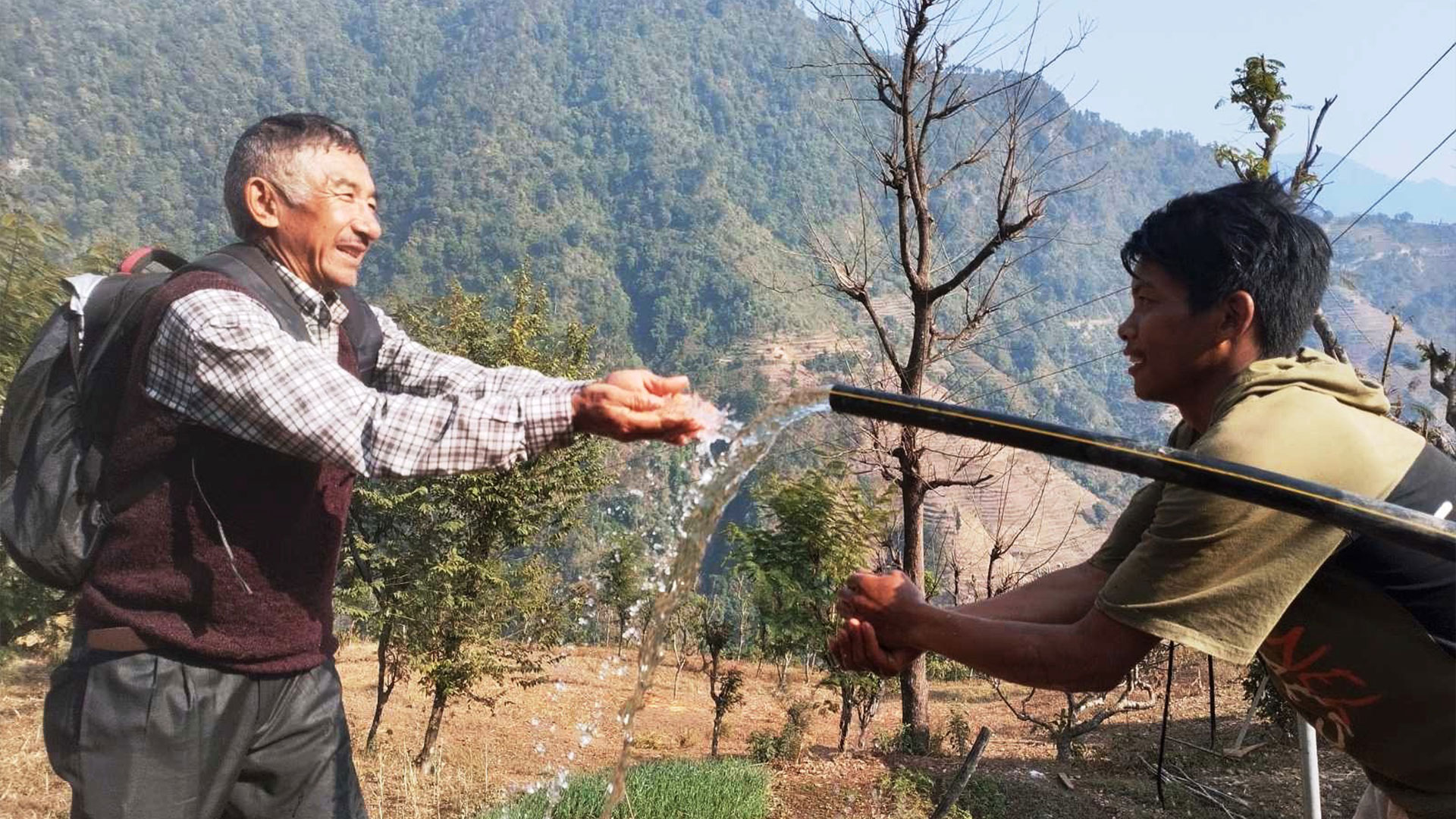
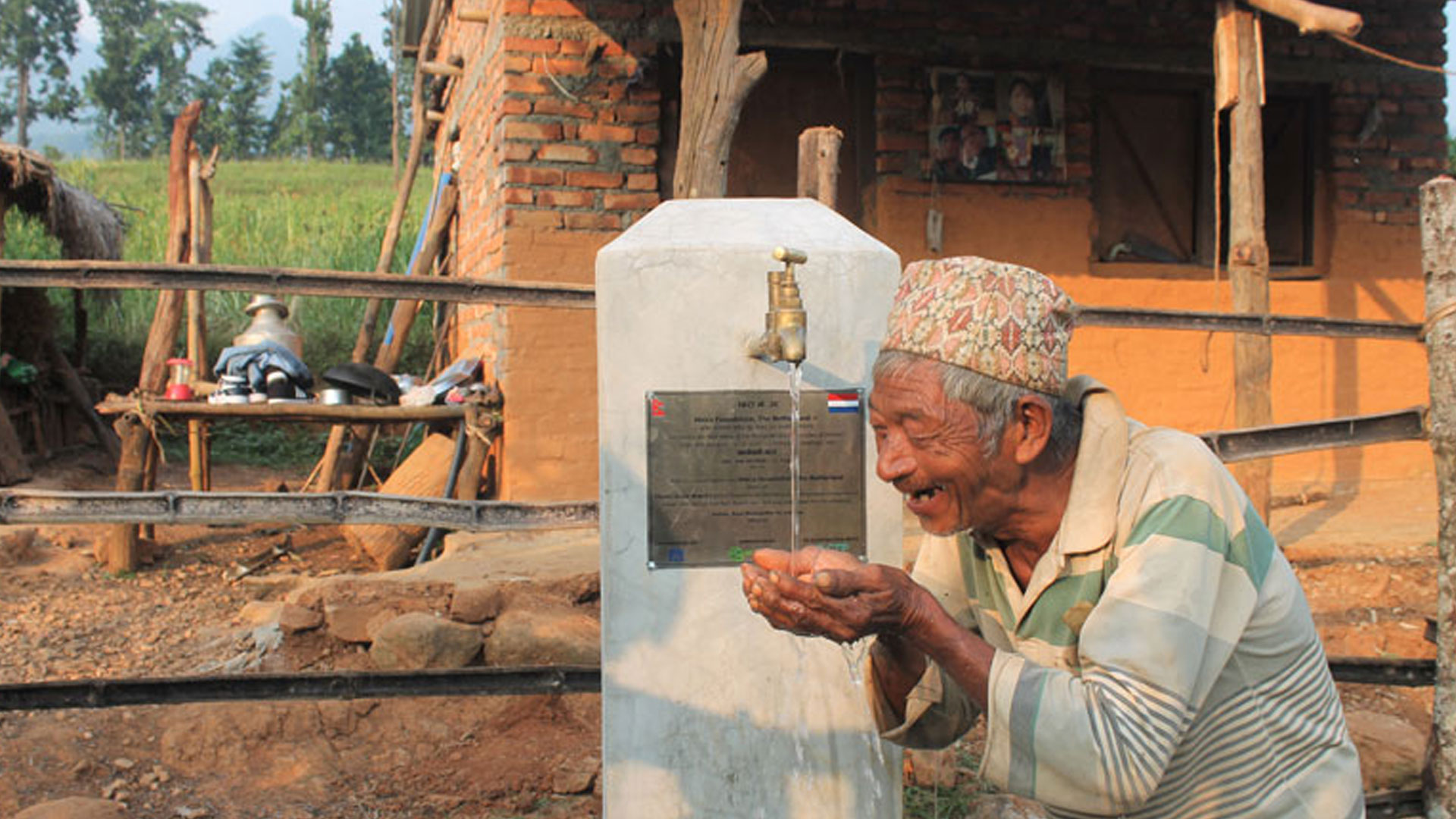
To combat these issues, implementing appropriate infrastructure for clean drinking water is crucial. This includes water treatment methods such as filtration and chlorination, which significantly reduce the risk of waterborne illnesses and improve water quality.
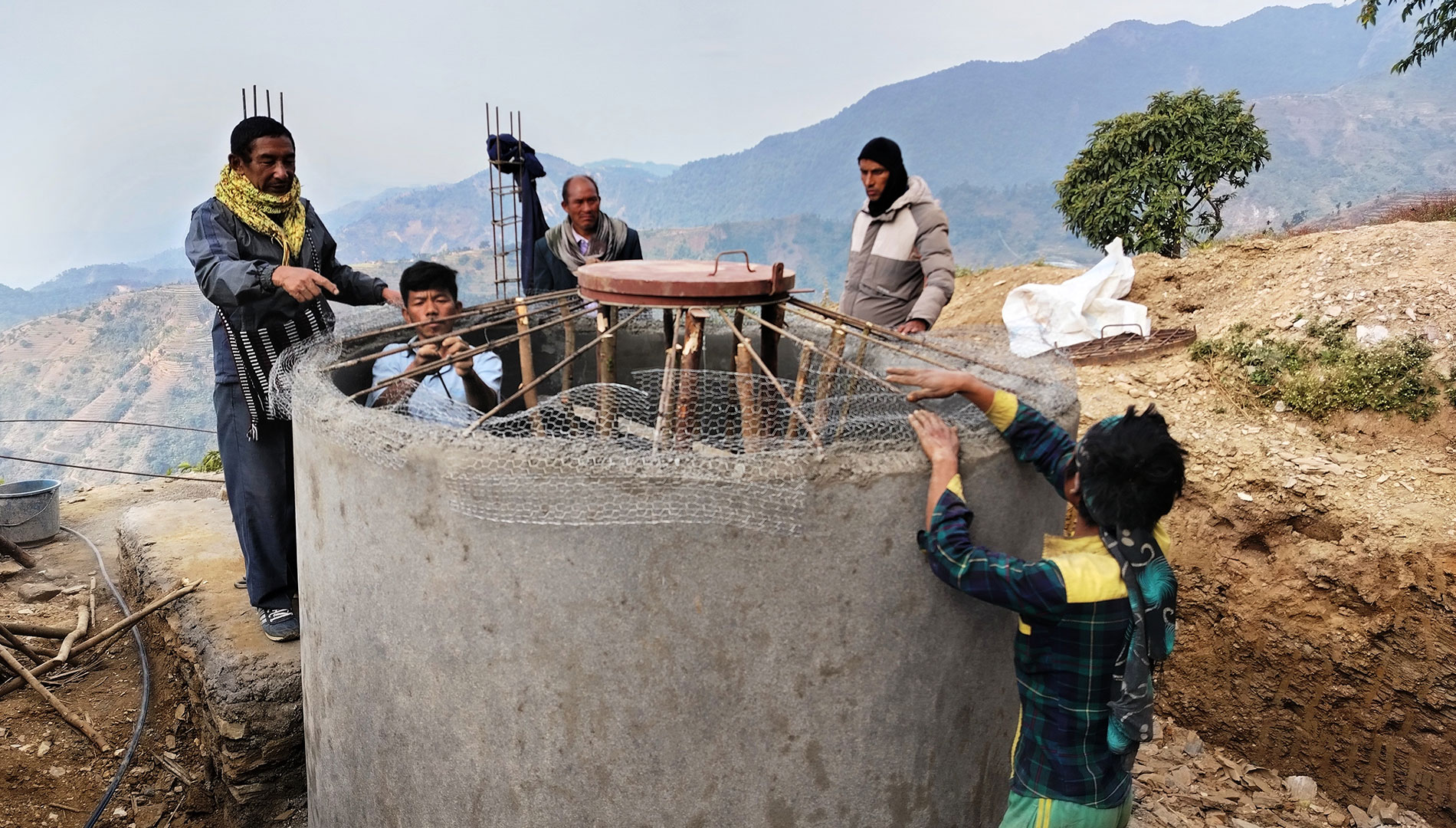
Constructing and maintaining proper sanitation infrastructure, including toilets and sewage systems, is vital to preventing disease spread and promoting good hygiene practices. Educational programs on handwashing, safe water storage, and essential hygiene practices can empower communities to adopt healthier behaviors.
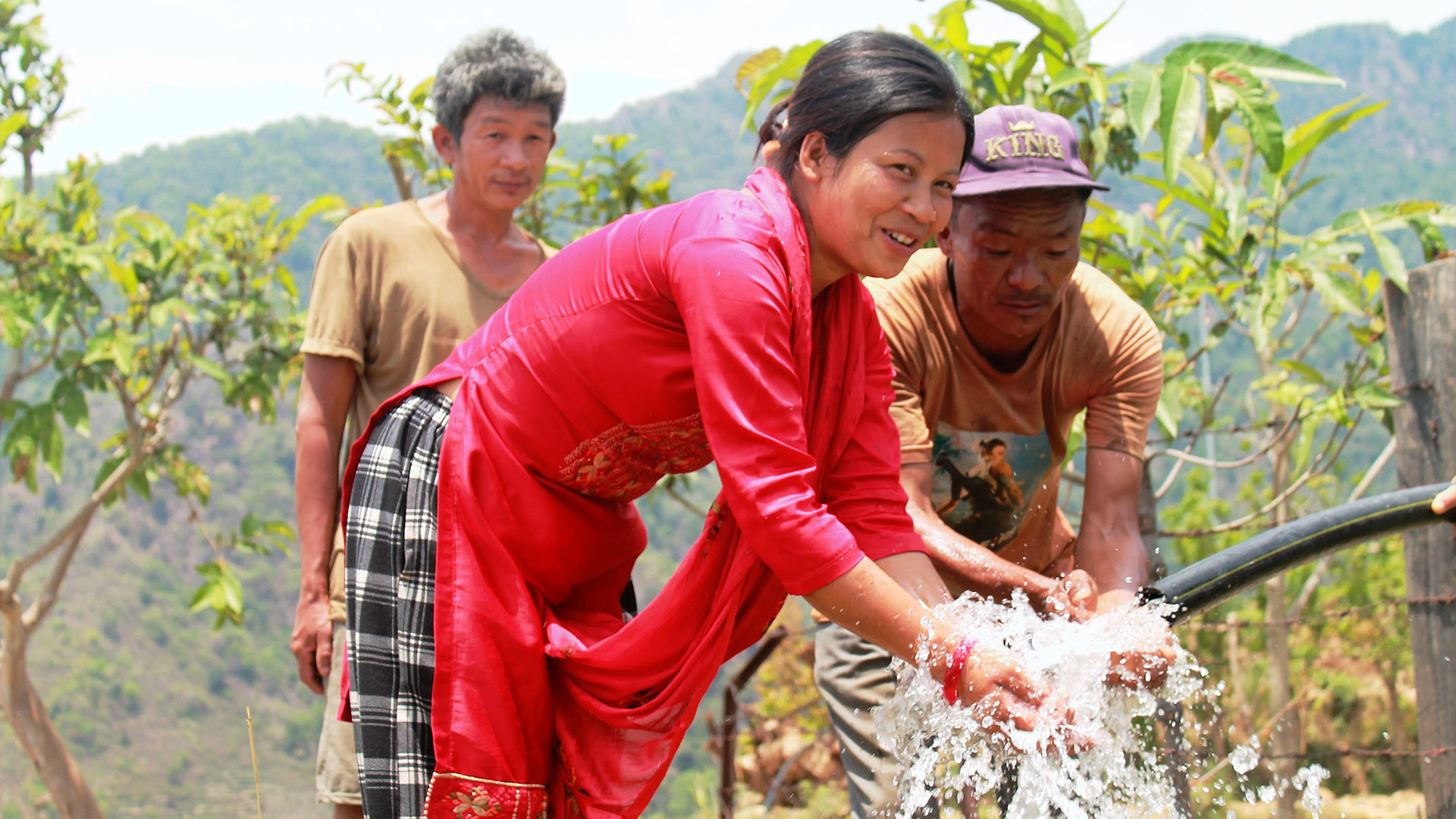
Improving access to water and sanitation also reduces the time and physical labor required for tasks like water collection. This enables women and girls to invest more time in education, income-generating activities, and personal development.
Incorporating menstrual hygiene management into WASH projects addresses the specific needs of women and girls, promoting greater dignity and participation in community life. Involving women in the design, implementation, and management of WASH initiatives not only empowers them but also fosters leadership opportunities within the community. Enhanced access to clean water and sanitation improves the health and safety of women and girls, reducing the risks of gender-based violence associated with water collection and open defecation.
Engaging marginalized communities in the planning, implementation, and maintenance of WASH projects fosters a sense of ownership and ensures the long-term sustainability of these initiatives. Providing training and skill development opportunities empowers community members to actively manage and maintain WASH infrastructure.
Ensuring equitable access to clean water and sanitation is crucial for building resilient and inclusive communities. By adopting innovative approaches, strengthening partnerships, and empowering marginalized populations, we can work towards a future where everyone has access to the basic resources needed for a healthy and dignified life.