Dobate WaSH Project
|

|
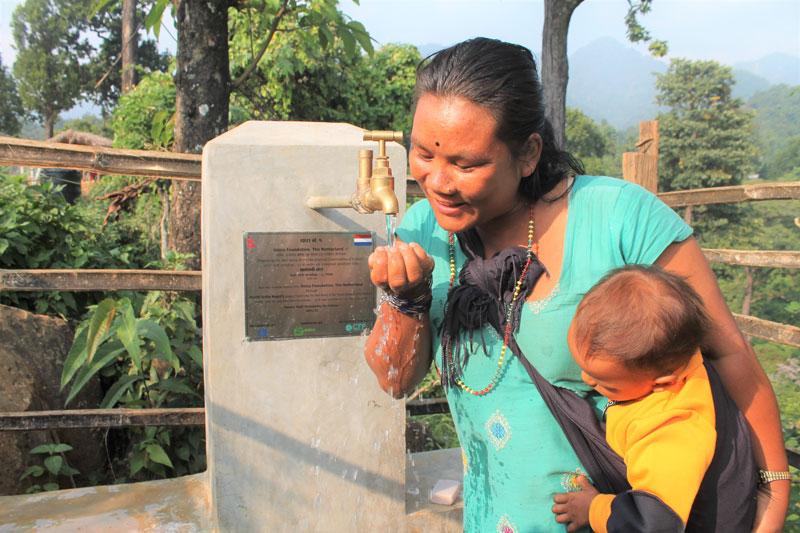
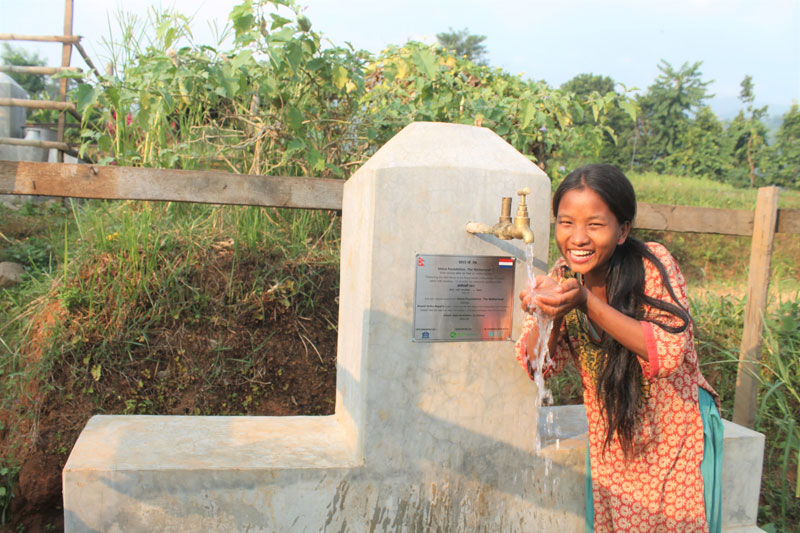
The project, implemented in the rural community of Rapti Municipality – 10, Dobate in Chitwan district, focused on enhancing access to clean drinking water and addressing broader community needs. It included the establishment of a gravity flow drinking water system with taps and reservoirs, aimed at providing reliable clean water.
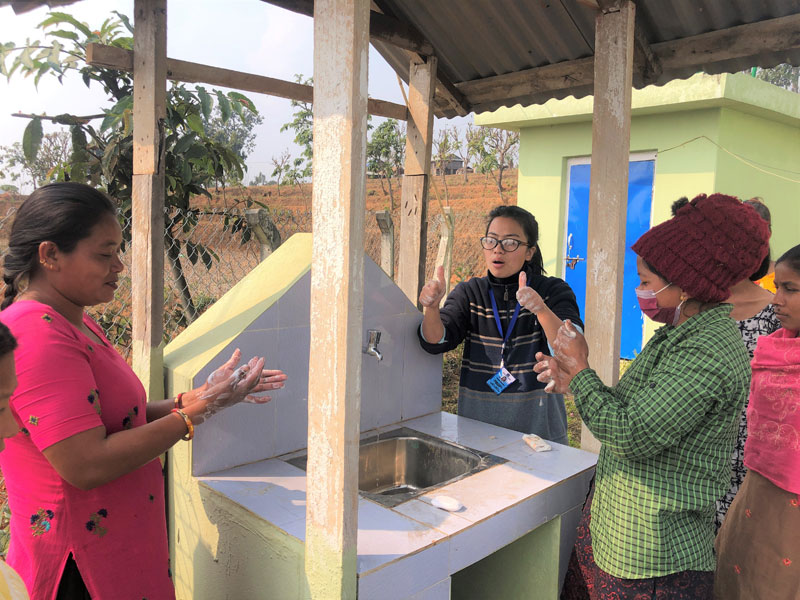
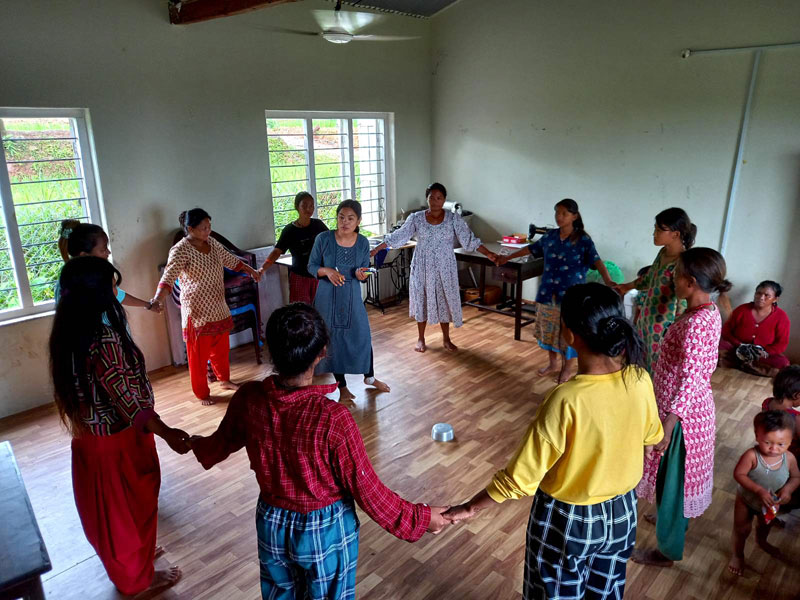
Additionally, the project featured software programs related to health, women’s empowerment, and technical know-how. These programs promoted kitchen gardening, improved health and hygiene practices through training and awareness campaigns, and empowered women in the community.
Through the project, 72 household families from the Chepang community, totaling 420 people in Dobate, Ahale, and Sikaritar supported. The improvements in water access, food security, and health practices have significantly benefited these communities.
Project Activity
Infrastructure Development
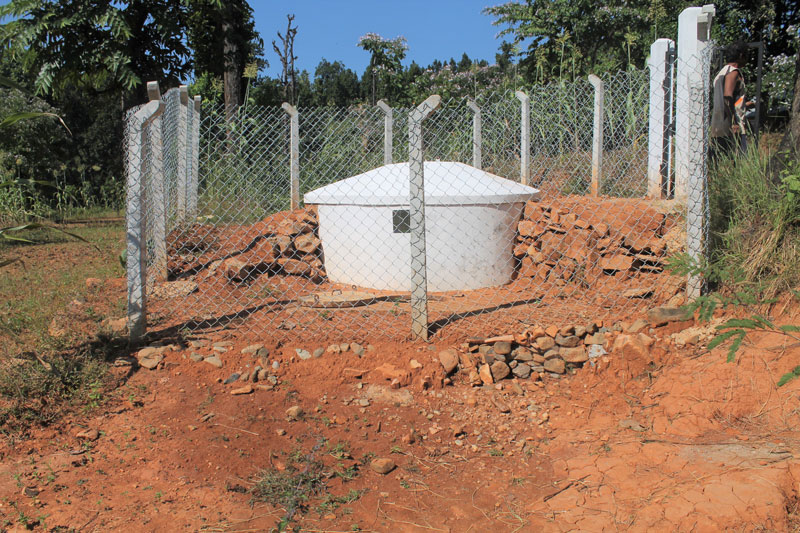
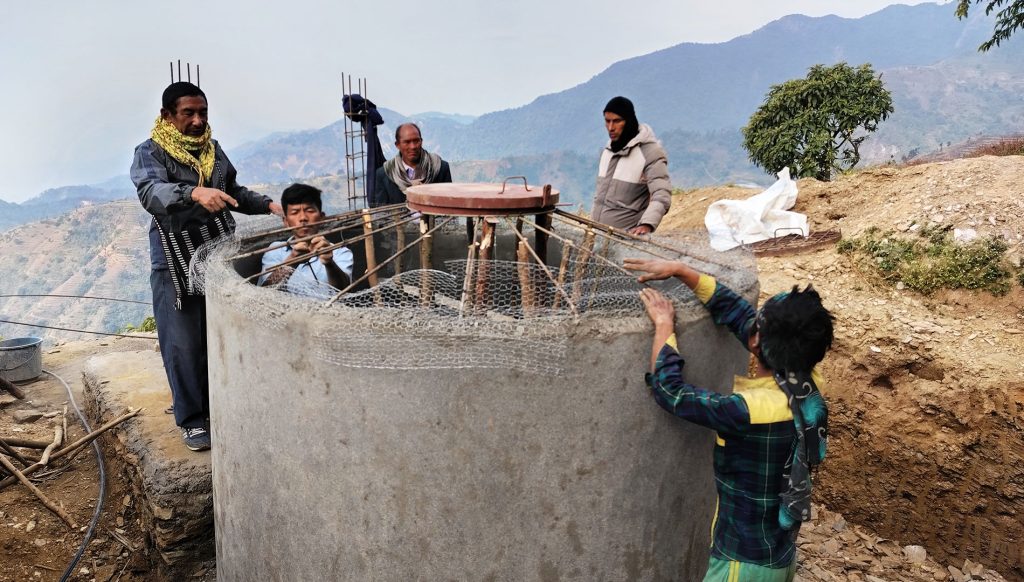
The project adopted a gravity flow water system to supply clean drinking water. This included the construction of an intake and collection chamber at the water sources in Shimaldhap, Churidhap, and Jalchap. A ferrocement reservoir tank and stone masonry water taps were also built, with HDPE and GI pipes used for distributing the water.
A total of three new reservoirs (four DTRVTs and four RVTs) were constructed and fenced with heavy galvanized gabion nets and metal gates in Uddaunedunga, Aahale, and Sikaritar villages. Additionally, one existing reservoir in Dobate was repaired. Two crossings were built over the watercourse to facilitate access.
Overall, 69 new taps were installed, each fenced with local wood and bamboo, and five existing old water taps were repaired to improve functionality and access.
Community Capacity Enhancement
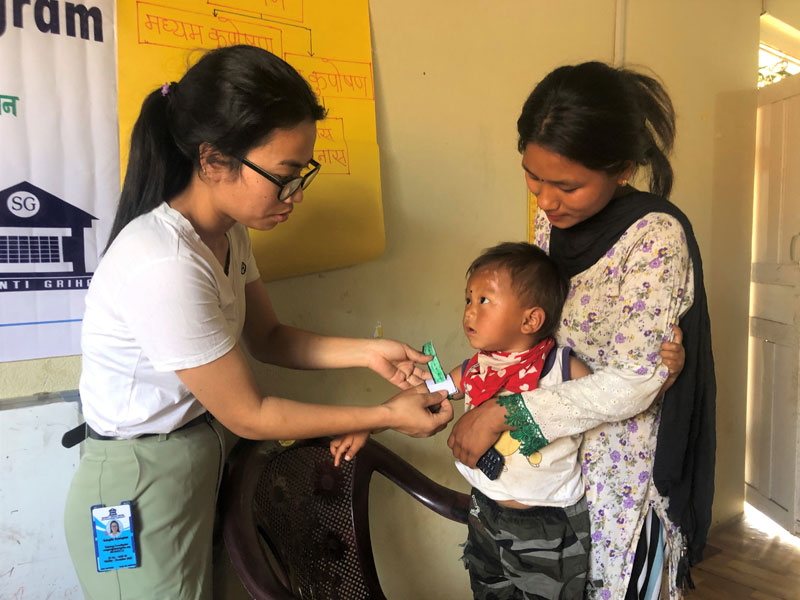
Shanti Griha Nepal enhanced sustainable community capacity through a variety of community awareness programs. The Health and Sanitation Awareness Program educated the community on hygiene practices to improve overall health. The Promotion of Kitchen Gardens encouraged families to grow their own vegetables, contributing to better nutrition and food security. The Malnutrition Awareness Program focused on addressing nutritional deficiencies and promoting healthier eating habits. Efforts in Girls Education & Gender Equality aimed to ensure equal educational opportunities for girls and support gender equality. Additionally, the Leadership & Non-Violent Communication training equipped community members with skills for effective leadership and peaceful interactions. Plumbing training was also provided to enable the community to maintain and repair water systems, ensuring continued access to clean drinking water.
The project has resulted in significant improvements in the community’s access to resources and overall well-being. Adequate access to drinking water has increased to 52.38 liters per person, addressing the acute water shortages that previously plagued the community due to the absence of nearby water systems or the dysfunction of existing ones. The time required to fetch water has decreased, from an average of 21.24 minutes, reducing the daily burden on community members. The promotion of kitchen gardening has raised hopes for regular access to nutritious vegetables and enhanced food security. Improved access to safe drinking water has contributed to better personal hygiene, health, and sanitation while also saving time. Furthermore, the project has successfully secured improved access to clean drinking water for both the Dobate and Bangsurang communities.